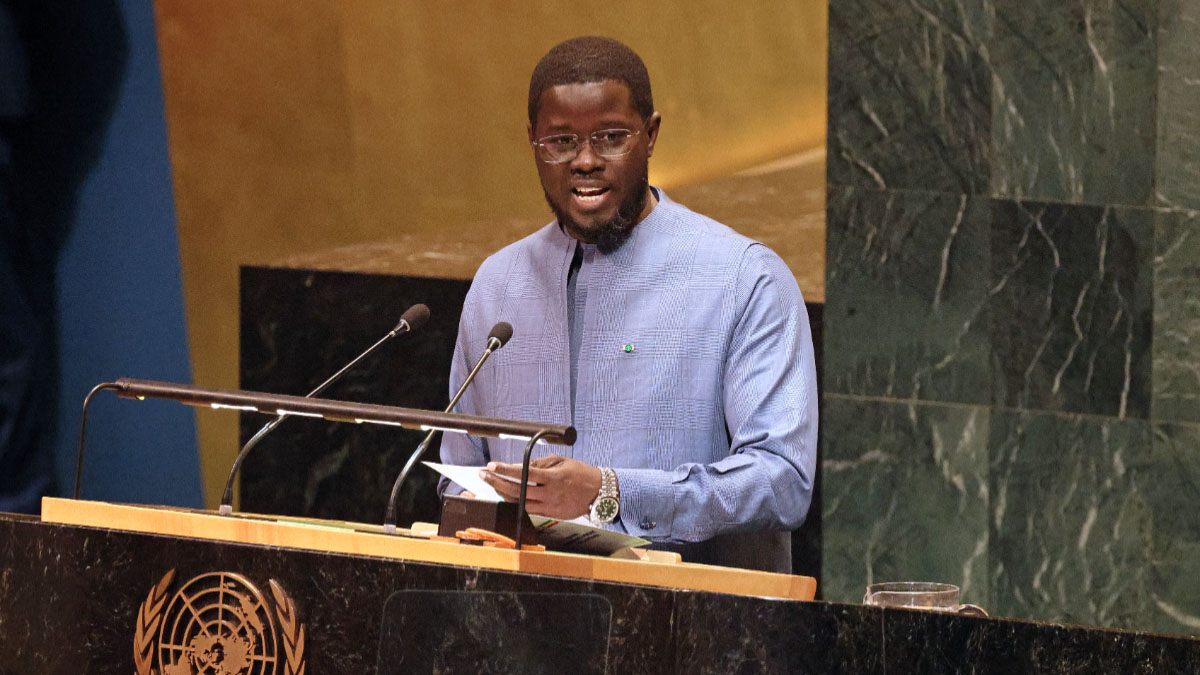
Photo Credit: Getty Images
Senegal has entered a new and highly contentious phase in its legal and social landscape following the signing of a stricter anti LGBT law by President Bassirou Diomaye Faye. The legislation significantly increases penalties for same sex relations, doubling the maximum prison term from five to ten years. It also introduces new provisions that criminalise what the government describes as the promotion of homosexuality.
Under the new law, promotion is broadly defined. It includes public representation, advocacy, or even financial support for individuals or organisations associated with LGBT causes. Those found guilty under these provisions could face prison sentences ranging from three to seven years. The law reflects a key campaign promise made by President Faye and Prime Minister Ousmane Sonko, both of whom had pledged to reinforce existing restrictions.
The legislation was approved by Senegal’s parliament with overwhelming support. On 11 March, 135 members of the National Assembly voted in favour, with none opposing and only three abstaining. This strong backing highlights the widespread political consensus within the country on the issue, even as it continues to draw criticism internationally.
The move comes amid what observers describe as a surge in anti LGBT sentiment across Senegal. Recent months have seen a wave of arrests linked to alleged same sex relationships, which were already illegal under existing laws. In one notable incident in February, 12 men including public figures and a journalist were arrested and charged with acts described in the law as against nature.
Human rights organisations have raised concerns about this trend. Human Rights Watch has reported increasing hostility toward LGBT individuals, noting that attempts to toughen penalties had previously been made in 2022 and 2024 but were unsuccessful at the time. The passage of the current law marks a turning point in those efforts.
International reaction has been swift and critical. Volker Türk, the United Nations High Commissioner for Human Rights, described the legislation as deeply worrying. He stated that such measures run counter to fundamental human rights principles. Despite appeals from the United Nations and various advocacy groups urging the president not to sign the bill, the Senegalese government has defended its decision. Officials argue that the law reflects the values and views of the Senegalese population.
Senegal’s actions are part of a broader pattern across parts of Africa, where several countries have recently moved to introduce or strengthen laws targeting LGBT communities. Governments in the region have often framed such measures as expressions of cultural or societal norms, even as critics warn of serious implications for human rights, safety, and personal freedoms.
As the law comes into force, attention is likely to remain focused on how it will be implemented and its impact on individuals and communities within Senegal. The debate surrounding the balance between national values and universal human rights is expected to continue, both in the country and on the global stage.