Photo Credit: Getty Images
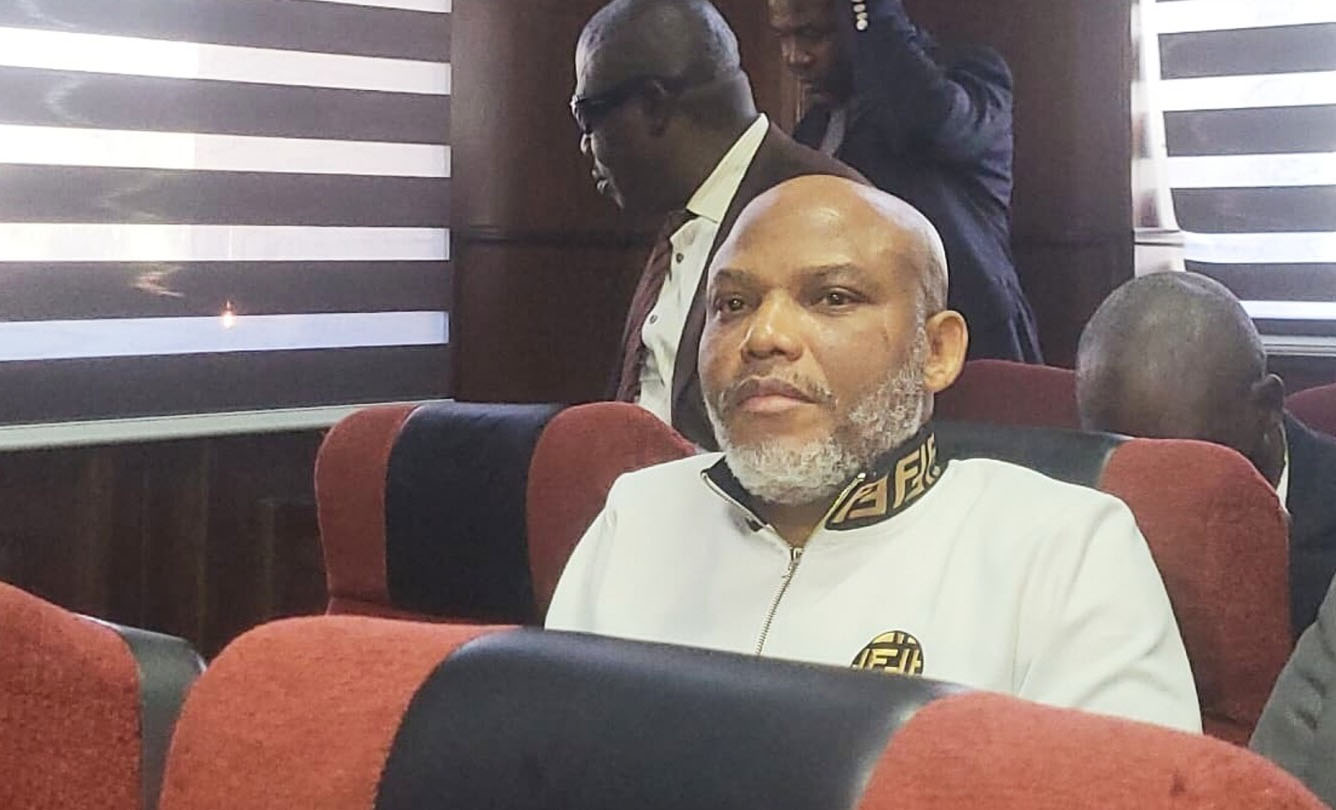
A Nigerian court has sentenced separatist leader Nnamdi Kanu to life in prison after convicting him on seven charges linked to terrorism, treason and incitement. Judge James Omotosho ruled that prosecutors successfully proved that Kanu's broadcasts and directives to the Indigenous People of Biafra (IPOB) led to deadly attacks on security personnel and civilians in southeastern Nigeria. Although prosecutors sought the death penalty, the judge opted for life imprisonment, stating that global attitudes toward capital punishment influenced his decision. He emphasized that while the right to self-determination exists, it must align with constitutional principles.
Kanu reacted angrily in court and was removed from the courtroom before sentencing. His defense team argued that his 2021 extradition from Kenya was unlawful and compromised the fairness of the trial. Kenyan officials have repeatedly denied involvement, despite allegations from Kanu's lawyers claiming their client was mistreated prior to being flown to Abuja. Kanu, who holds both Nigerian and British citizenship, founded Radio Biafra in London in 2009 after relocating to the United Kingdom to study economics and politics.
The court highlighted several contentious broadcasts in which Kanu expressed strong hostility toward Nigeria, claiming they fueled violent separatist actions. IPOB's push for an independent Biafra echoes the failed 1967 secession attempt that triggered a three-year civil war resulting in over one million deaths. Nigerian authorities have long viewed IPOB as a security threat, banning the group and attributing regional instability to its activities. Kanu was first arrested in 2015 but fled while on bail, continuing to broadcast messages that authorities said escalated tensions.
In court filings, Kanu's lawyers argued that the Nigerian government improperly expanded domestic legal jurisdiction to criminalize statements made from abroad. Nonetheless, the judge concluded that the broadcasts constituted incitement under Nigerian law because they allegedly contributed to violence within the country. Kanu now has 90 days to appeal his conviction and sentence. His case has drawn international attention due to concerns about due process, human rights and the ongoing tensions between Nigerian authorities and separatist movements. The ruling marks a significant moment in the country's long-running dispute over regional autonomy, raising questions about how Nigeria will balance national unity with grievances rooted in decades of political and ethnic complexity.