Photo Credit: Getty Images
Tanzania, once hailed as a beacon of peace and stability in Africa, is now grappling with the aftermath of its worst post-election violence in decades. The turmoil follows the 29 October election, in which President Samia Suluhu Hassan was declared the winner with an overwhelming 98% of the vote—a result that has sparked widespread protests, accusations of repression, and rare rebukes from regional bodies.
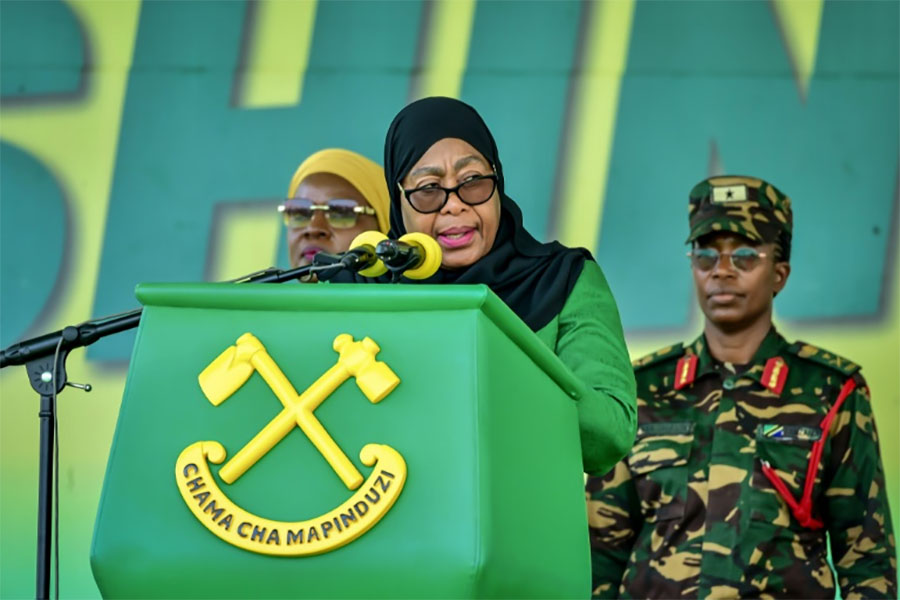
In her inauguration speech, President Samia defended the poll as “fair and transparent,” while admitting that lives were lost during the unrest. She blamed unnamed foreign actors for inciting the deadly protests. However, the full death toll remains unclear, as families continue to search for missing loved ones or bury relatives killed in the chaos.
Samia, who rose to power in 2021 following the sudden death of her predecessor John Magufuli, was once seen as a symbol of moderation and reform. Her soft-spoken nature and promises of openness initially won her both domestic and international goodwill. But according to analysts, the president’s leadership has taken a sharply authoritarian turn, with critics accusing her of betraying the hopes she once inspired.
“Samia has pushed Tanzania to its thick winter of protests, instability, and uncertainty,” said Kenyan policy analyst Prof Peter Kagwanja. He and others believe the unrest reflects deep-rooted frustrations over stalled reforms, youth disenfranchisement, and power struggles within the ruling Chama Cha Mapinduzi (CCM) party.
Prominent Tanzanian cartoonist Godfrey Mwampembwa, known as Gado, said the protests were “a culmination of years of anger and grievances bottled up by Tanzanians.” His biting cartoons, which depict President Samia as increasingly intolerant of dissent, have gone viral on social media.
Veteran journalist Jenerali Ulimwengu described the crisis as “the boiling point reached by societal soups that have been cooking for decades,” blaming a leadership disconnected from the realities of ordinary citizens. Similarly, columnist Charles Onyango-Obbo argued that CCM mistook silence for peace, “not realising it was the quiet of exhaustion.”
In the lead-up to the election, authorities blocked key opposition figures from contesting. Tundu Lissu was detained on treason charges, which he denies, while Luhaga Mpina’s candidacy was rejected. Such moves, analysts say, eroded the very democratic principles championed by Tanzania’s founding father, Julius Nyerere.
Despite initially allowing opposition rallies and championing her “4R” doctrine—reconciliation, resilience, rebuilding, and reform—Samia is now accused of replicating Magufuli-era tactics: tightening control, silencing rivals, and centralising power. Her supporters, however, hail her as Simba jike (the lioness) for her political prowess in navigating CCM’s internal rivalries.
As protests spread and security forces respond with force, Tanzania’s long-cherished image of calm has been shattered. The African Union and the Southern African Development Community have both criticised the election, saying it fell short of democratic standards.
“The myth of Tanzanian exceptionalism lies in ruins,” Onyango-Obbo observed. For many, the challenge facing President Samia is no longer just about winning elections—but about regaining the trust of a nation disillusioned by broken promises, repression, and a peace that now feels irretrievably lost.